Introduction
Modern construction projects are becoming increasingly complex. Large commercial buildings, industrial plants, and infrastructure projects involve multiple teams working together — including architects, structural engineers, steel fabricators, mechanical engineers, and contractors. With so many disciplines involved, design conflicts and construction clashes are common challenges that can lead to delays, rework, and budget overruns.
This is where Building Information Modeling (BIM) coordination plays a crucial role. BIM coordination allows project teams to identify and resolve design conflicts before construction begins. By using advanced 3D models and digital collaboration tools, BIM helps streamline workflows, improve project accuracy, and prevent costly mistakes.
Today, many construction companies and steel fabricators are also leveraging offshore BIM modeling services to enhance project efficiency while reducing operational costs. Offshore BIM teams provide expert modeling, coordination, and clash detection support, helping project stakeholders maintain accuracy and meet tight deadlines.
In this article, we will explore how BIM coordination works, why construction clashes occur, and how offshore BIM modeling services can help avoid expensive construction conflicts.
Understanding BIM Coordination in Construction
BIM coordination is the process of integrating and aligning different building systems within a unified digital model. This includes structural components, architectural designs, mechanical systems, plumbing networks, electrical layouts, and fabrication details.
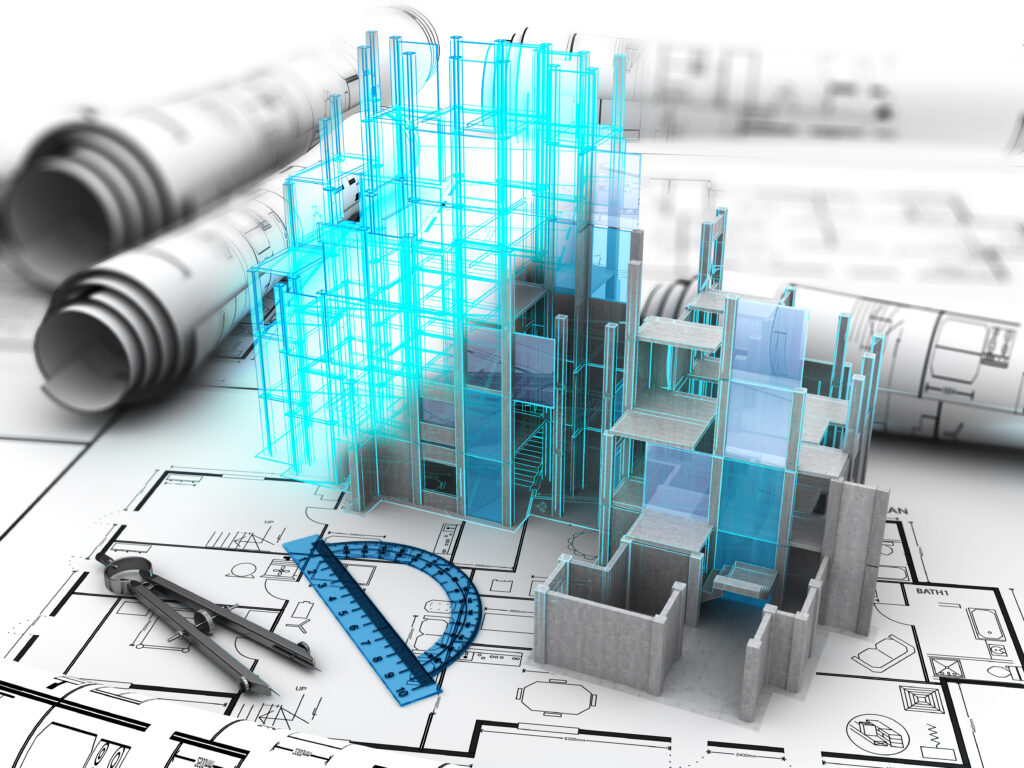
Instead of relying on traditional 2D drawings, BIM coordination uses intelligent 3D models that allow teams to visualize the entire building structure and its components before construction begins.
The primary objective of BIM coordination is to ensure that all project disciplines work together seamlessly. When different teams design their components independently, conflicts can occur. BIM coordination identifies these conflicts early and allows engineers to resolve them before they impact construction.
For example, a structural beam might interfere with a ventilation duct, or a plumbing pipe may intersect with electrical conduits. Such conflicts are difficult to detect in traditional drawings but become immediately visible in BIM models.
With the help of offshore BIM modeling services, construction companies can perform detailed coordination and clash detection efficiently, ensuring smooth project execution.
What Are Construction Clashes?
Construction clashes occur when two or more building components occupy the same physical space or interfere with each other. These conflicts can lead to installation issues, project delays, and additional construction costs.
Clashes typically occur between different building systems, such as structural elements and mechanical or electrical components.
Types of Construction Clashes
Hard Clashes
Hard clashes occur when two physical elements occupy the same space. For instance, a steel beam intersecting with a duct or pipe creates a hard clash that must be corrected before construction.
Soft Clashes
Soft clashes involve clearance or safety requirements. For example, maintenance space required around equipment may be obstructed by nearby structural components.
Workflow Clashes
These clashes arise due to scheduling or construction sequence issues. When different teams attempt to work in the same location at the same time, project coordination problems can occur.
Through BIM coordination, these clashes can be detected and resolved digitally, preventing costly problems during construction.
Why Construction Clashes Are Expensive
Construction clashes can significantly impact project timelines and budgets. Even a small coordination error can cause a chain reaction of delays and additional costs.
Some of the major consequences include:
Project Delays
When clashes are discovered during construction, work must stop until the issue is resolved. This delay can disrupt the entire project schedule.
Increased Construction Costs
Fixing errors on-site is far more expensive than resolving them during the design stage. Material replacement, labor costs, and equipment adjustments increase project expenses.
Fabrication Errors
Steel fabricators rely heavily on accurate drawings and models. If a clash exists in the design, fabricated components may not fit properly during installation.
Reduced Productivity
Construction teams lose valuable time addressing design conflicts rather than focusing on project progress.
To avoid these costly issues, many companies rely on offshore BIM modeling services that specialize in detailed coordination and clash detection.
How BIM Coordination Prevents Construction Clashes
BIM coordination enables project teams to identify and resolve conflicts early in the design phase. By integrating all building systems into a single digital environment, teams can analyze the entire structure before construction begins.
3D Model Integration
All disciplines contribute their models into a shared BIM environment. Structural, architectural, mechanical, electrical, and plumbing systems are combined to create a complete digital representation of the project.
This integrated model allows engineers to visualize potential conflicts and improve design alignment.
Clash Detection
BIM software tools automatically detect collisions between building components. These clashes are highlighted within the model, allowing engineers to analyze and resolve the issue quickly.
Clash detection significantly reduces the risk of errors reaching the construction stage.
Improved Collaboration
BIM coordination promotes collaboration among project stakeholders. Engineers, contractors, and fabricators can review the model together, discuss design challenges, and implement improvements.
This collaborative process helps ensure that every system fits perfectly within the building structure.
Design Optimization
When clashes are identified early, engineers can modify designs to improve structural performance and installation efficiency.
Offshore BIM modeling services often play an important role in this process by providing specialized coordination expertise and advanced modeling support.
Role of Offshore BIM Modeling Services in Coordination
With increasing project complexity, many construction companies and steel fabricators are outsourcing BIM coordination tasks to specialized teams. Offshore BIM modeling services provide high-quality modeling, clash detection, and coordination support at competitive costs.
These services help construction firms maintain project accuracy without increasing internal workload.
Expertise and Specialized Skills
Offshore BIM professionals are experienced in advanced modeling tools and construction workflows. Their expertise ensures accurate models and effective coordination between disciplines.
Cost Efficiency
Outsourcing BIM coordination helps companies reduce operational expenses. Offshore teams provide skilled services at lower costs compared to maintaining large in-house teams.
Faster Project Turnaround
Offshore BIM modeling services enable companies to complete coordination tasks quickly. Dedicated teams work efficiently to meet tight project deadlines.
Hour Workflow
Many offshore teams operate in different time zones, allowing projects to progress around the clock. This improves project productivity and speeds up delivery timelines.
By partnering with offshore BIM experts, construction firms can achieve better project coordination and improved construction outcomes.
BIM Coordination for Steel Fabrication Projects
Steel fabrication projects require extremely precise detailing and coordination. Structural components must align perfectly with architectural and mechanical systems.
BIM coordination plays a vital role in ensuring that steel elements fit accurately within the overall building structure.
Accurate Shop Drawings
BIM models help generate precise shop drawings for fabrication. These drawings guide steel fabricators during manufacturing and installation.
Connection Detailing
Structural connections must be carefully coordinated with surrounding building systems. BIM ensures that connections are designed accurately and meet structural requirements.
Erection Planning
BIM coordination helps engineers plan the erection sequence for structural components. This improves installation efficiency and site safety.
Offshore BIM modeling services provide detailed modeling and coordination support that ensures fabrication accuracy and seamless installation.
Key BIM Tools Used for Clash Detection
Several advanced BIM software platforms are used to perform clash detection and coordination.
Some commonly used tools include:
- Tekla Structures
- Navisworks
- Revit
- SDS2
- BIM 360
These tools enable engineers to analyze complex building models and identify potential conflicts before construction begins.
Offshore BIM modeling services utilize these technologies to provide detailed coordination and clash detection support for construction projects.
Benefits of BIM Coordination in Construction Projects
BIM coordination offers numerous advantages for construction firms, engineers, and steel fabricators.
Reduced Construction Errors
Clash detection ensures that design conflicts are resolved before construction begins.
Improved Project Efficiency
Better coordination between teams leads to faster project completion.
Cost Savings
Early conflict resolution reduces rework and material waste.
Better Collaboration
BIM creates a shared digital environment where all project stakeholders can work together effectively.
Higher Construction Quality
Accurate models and coordinated designs result in improved building performance.
With the support of offshore BIM modeling services, construction companies can maximize these benefits while maintaining project budgets and timelines.
The Future of BIM Coordination
The construction industry is rapidly moving toward digital project delivery. BIM coordination is becoming an essential requirement for large-scale infrastructure and commercial developments.
Technologies such as digital twins, cloud collaboration platforms, and AI-driven clash detection are further improving BIM workflows.
As projects continue to grow in complexity, the demand for specialized BIM expertise will increase. Offshore BIM modeling services will play a significant role in supporting global construction projects by providing scalable coordination solutions.
Conclusion
Construction clashes are one of the most common causes of project delays and budget overruns. Without proper coordination, conflicts between building systems can disrupt fabrication, installation, and project timelines.
BIM coordination offers a powerful solution by enabling project teams to identify and resolve conflicts early in the design phase. Through advanced 3D modeling and clash detection technologies, BIM ensures that every building component fits perfectly within the overall structure.
Many construction firms and steel fabricators are now turning to offshore BIM modeling services to enhance coordination efficiency, reduce costs, and accelerate project delivery.
By leveraging BIM coordination and expert offshore support, construction companies can prevent costly clashes, improve collaboration, and deliver high-quality projects with greater confidence.